
custom size glass panels
Understanding Morse Taper Gauges A Comprehensive Guide In the world of machining and precision engineering, the term Morse taper refers to a specific type of taper used to securely hold tools, primarily in lathes and drill presses. Named after its inventor, Stephen A. Morse, the Morse taper has become a standard in the industry due to its effective design and functionality. This article delves into the intricacies of Morse taper gauges, their applications, and their importance in ensuring precision and safety in manufacturing processes. What is a Morse Taper? A Morse taper is a self-locking conical fitting used primarily in machine tools to connect tools and holders. It features a series of tapered designs with increasing diameter measurements. This design ensures that tools can be easily inserted and removed while maintaining a secure hold during operation. The Morse taper system is available in several sizes—ranging from Morse Taper No. 0 to No. 7—where the number indicates the size of the taper, with No. 0 being the smallest and No. 7 being the largest. The Role of Morse Taper Gauges Morse taper gauges are precision measuring instruments utilized to determine the size and compatibility of Morse taper tools and spindle sockets. These gauges are critical for machinists and manufacturers who require a high degree of accuracy when selecting or verifying tool sizes. A Morse taper gauge typically features a series of tapered slots or pins, corresponding to the various Morse taper sizes. By inserting the gauge into the tool holder, users can confirm the correct taper size, ensuring a proper fit and stable operation. Importance of Accurate Measurements Accurate measurements in Morse tapers are crucial for several reasons 1. Tool Stability An accurate Morse taper fit minimizes vibrations and tool run-out, which can lead to poor machining quality and shortened tool life. 2. Safety A securely fitted tool reduces the risk of tool slippage, which can cause accidents during machining operations. morse taper gauge 3. Interchangeability In a workshop with multiple machines and tooling setups, having standard Morse taper sizes ensures that tools can be easily swapped between different machines without the need for constant readjustments. Utilizing Morse Taper Gauges When using a Morse taper gauge, follow these steps to ensure accurate measurement 1. Clean the Taper Before testing, ensure the Morse taper and the corresponding gauge are clean and free of debris. Dirt or grime can interfere with the fit and lead to incorrect readings. 2. Select the Appropriate Gauge Choose the gauge that corresponds to the size range you are measuring. It’s often beneficial to start with the smallest size and work your way up to find the most appropriate match. 3. Insert the Gauge Gently insert the gauge into the taper. There should be a snug fit without excessive force. If the gauge is too loose or too tight, it may indicate an improper match or wear on the tool. 4. Verify Fit Ensure that the gauge sits flush against the shoulder of the taper. A proper fit is essential for the tool to operate effectively and safely. Conclusion Morse taper gauges play a crucial role in the machining industry by providing machinists and manufacturers with the necessary tools to ensure accurate measurements and successful tool compatibility. By understanding the importance of Morse tapers and using gauges correctly, operations can achieve enhanced efficiency, quality, and safety. As industry standards continue to evolve, the significance of precise measuring tools, like the Morse taper gauge, remains steadfast in the pursuit of excellence in manufacturing and precision engineering. Whether you are a seasoned machinist or a newcomer to the field, leveraging the capabilities of Morse taper gauges is a fundamental step toward ensuring optimization in any machining operation.
about
custom size glass panels
Understanding Spline Ring Gauges A Comprehensive Overview Spline ring gauges are precision measuring tools essential in various industries, particularly in manufacturing and quality control. These specialized gauges are designed to measure the internal or external splines of components, ensuring they meet specified tolerances and dimensional requirements. This article delves into the characteristics, applications, and importance of spline ring gauges. What are Spline Ring Gauges? Spline ring gauges are typically made from high-quality, durable materials such as tool steel or carbide, allowing them to withstand wear and maintain precision over time. They feature a unique design with splined profiles that correspond to the specific shape and size of the spline they are intended to measure. Available in various configurations, including go/no-go gauges, these tools ensure that parts fit together correctly and function effectively. Types of Spline Gauges There are primarily two types of spline ring gauges the go gauge and the no-go gauge. The go gauge is used to confirm that a component's splines meet minimum acceptance criteria, while the no-go gauge checks that the dimensions do not exceed maximum limits. This dual approach allows manufacturers to maintain strict quality control over their products, minimizing the risk of assembly issues or mechanical failures. Applications of Spline Ring Gauges spline ring gauge Spline ring gauges are widely utilized in several sectors, including automotive, aerospace, and machinery manufacturing. In the automotive industry, for example, they play a crucial role in testing drive shafts, gear assemblies, and other pivotal components that rely on precise spline connections. Similarly, in aerospace, where safety and reliability are paramount, spline gauges ensure that critical components meet rigorous standards. Importance of Spline Ring Gauges The use of spline ring gauges is vital to maintaining product quality and consistency. They help manufacturers identify defects in splined parts early in the production process, which not only saves time and resources but also enhances the overall reliability of assembled products. Moreover, the precision offered by these gauges significantly reduces the likelihood of product recalls or failures in the field, which can be costly and damaging to a company's reputation. Calibration and Maintenance Regular calibration and maintenance of spline ring gauges are essential to ensure their accuracy and reliability. Manufacturers must adhere to industry standards and best practices for gauge calibration, often involving comparison with reference standards. Proper storage and cleaning are also critical to preserving the tool’s integrity and performance. Conclusion In conclusion, spline ring gauges are indispensable tools for measuring the dimensions of splined components in various industries. Their precision, efficiency, and effectiveness in maintaining high-quality manufacturing standards make them a vital part of the quality control process. As industries continue to evolve, the importance of such measuring tools will only grow, underscoring the need for ongoing innovation and development in gauge technology. Ensuring that spline ring gauges are used and maintained correctly can significantly contribute to the success and reliability of manufacturing operations.
-

High quality industrial productsagement

High quality industrial products
View Details -

Meet the diverse needs of customers

Meet the diverse needs of customers
View Details -

Strict quality control

Strict quality control
View Details -

Top raw materials

Top raw materials
View Details -

Trusted supplier

Trusted supplier
View Details
Our application


news and information

Y-type filter met afvoerkraan voor efficiënte vloeistofbehandeling
Y-Type Filter met Afsluitklep Een Efficiënte Oplossing voor Uw Pijpleidingsysteem In de wereld van i
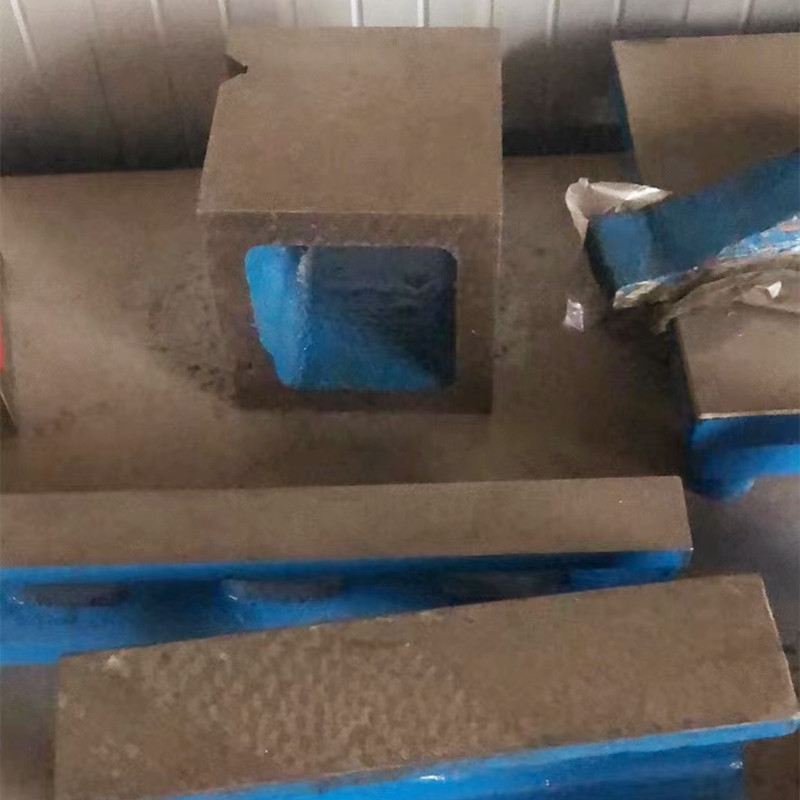
V Blocks for Sale – Precision V Block Types & Cast Iron Vee Blocks
Storaen (Cangzhou) International Trading Co. Official Website: https://www.strmachinery.com E-mail:

Water Strainer for Efficient Filtration and Reliable Performance in Various Applications
Understanding the Y-Type Water Strainer A Key Component in Fluid Systems In industrial and municipal
 English